
SPOKANE’S TRUSTED PUBLIC ADJUSTERS
Public Adjuster Services in Spokane, WA | Accurate Claims
A fire changes a home in minutes, and the insurance claim that follows can feel every bit as overwhelming as the loss itself. Accurate Claims Consulting works with Spokane homeowners and property owners through our local agents and representatives in Washington, managing the claim from the first notice of loss through the final payment so families can concentrate on getting settled again.
Our team works exclusively for policyholders, and we represent you rather than your insurance company. Our team documents the damage, reads the policy line by line, prepares the estimate, and negotiates the settlement, whether the loss came from wildfire, smoke, the water used to put the fire out, or all three at once.
WILDFIRE AND FIRE DAMAGE CLAIMS IN SPOKANE
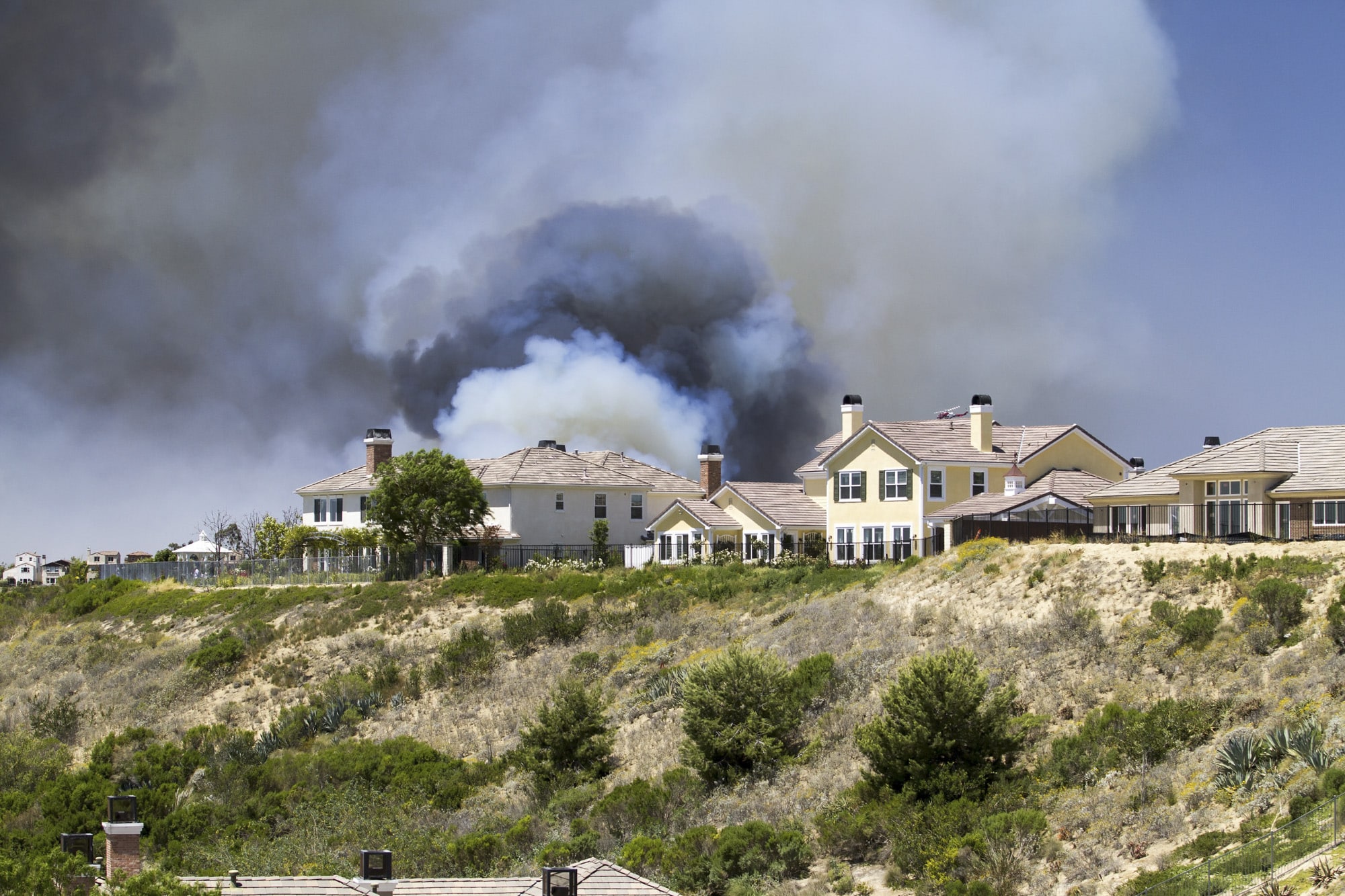
Spokane sits where neighborhoods meet ponderosa pine, dry grass, and open range, and that wildland-urban interface is exactly where fire risk lives. Recent wildfires in the Spokane area have reminded homeowners how quickly a wind-driven fire can move from open ground onto a residential street. When it happens, the damage to the property is only the first problem. The insurance claim is the second.
A home does not have to burn to the ground to carry a serious fire claim. Radiant heat warps vinyl windows and siding, embers ignite decking and roof vents, attic and crawlspace assemblies char, and gutters, fencing, and outbuildings are frequently damaged. Total losses and partial losses are handled very differently by carriers, and partial losses are where scope disputes usually begin.
We handle the full fire claim: the dwelling, other structures, contents, and additional living expenses while your home is unlivable. We also look for the coverage homeowners routinely leave on the table, including ordinance or law coverage that pays to bring a rebuild up to current code, debris removal, and tree and landscaping limits.
SMOKE DAMAGE CLAIMS IN SPOKANE: SOOT, ODOR, AND HVAC CONTAMINATION
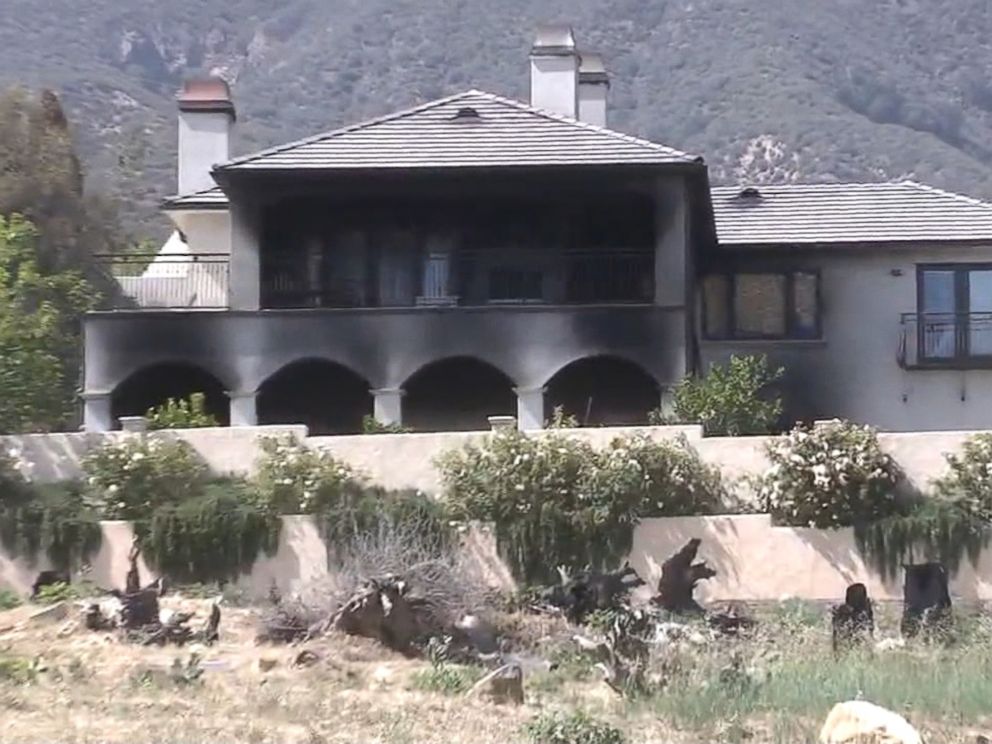
Smoke is the most commonly underpaid part of a fire claim. It travels far beyond the burn area, and a house several streets from the flames can still take on heavy soot and odor. Because that damage does not photograph the way charring does, it is easy for a claim to be scoped as a light cleaning when the materials actually need replacement.
Soot is acidic and corrosive. It etches glass and metal fixtures, tarnishes wiring and electronics, and bonds into porous materials such as carpet padding, insulation, drywall, upholstery, and unfinished wood. Odor behaves the same way. It settles into the building envelope and returns every time the house warms up or humidity rises.
The HVAC system is the piece most often missed. A furnace or air handler running during or after a fire pulls smoke through the ductwork and redistributes it into rooms that never saw flame. Handling it properly means inspecting and, where warranted, cleaning or replacing ducts, filters, and equipment. Where the scope is disputed, we support the claim with testing and industrial hygiene documentation showing what the materials actually require.
FIRE, SMOKE AND WATER DAMAGE: WHAT YOUR CLAIM SHOULD COVER
A fire loss is rarely just the part of the house that burned. Smoke travels, suppression water soaks into materials you cannot see, and the cost of living somewhere else adds up from day one. Here is how we break down a Spokane fire claim so nothing gets left off the estimate.
| Damage Type | Commonly Missed Items | What We Document |
|---|---|---|
| Flame and structural damage | Charred framing behind finished walls, roof trusses, insulation, sub-floor, detached garages, fences and outbuildings | A room-by-room scope of loss with photographs, measurements, and repair-versus-replace pricing for each affected assembly |
| Smoke, soot and odor | Soot inside wall cavities and ductwork, odor absorbed into carpet pad, upholstery and clothing, HVAC contamination, residue on electronics | Affected-area mapping, written justification for cleaning versus replacement, and specialist reports where deodorization or duct cleaning is required |
| Firefighting water | Saturated drywall and insulation behind intact surfaces, warped hardwood and sub-floor, swollen cabinetry, secondary microbial growth | Moisture readings, drying logs, and the documented link between suppression activity and each affected material |
| Ash, debris and site cleanup | Debris removal and disposal, damaged trees and landscaping, ash on exterior surfaces, driveway and hardscape staining | An itemized debris-removal scope plus photographs of exterior and site conditions recorded before cleanup begins |
| Additional living expenses (ALE) | Temporary housing, pet boarding, storage, added mileage, and the food and laundry costs above your normal household spending | Receipt tracking and a running ALE ledger tied to your policy loss-of-use limit and time period |
WATER DAMAGE FROM FIREFIGHTING EFFORTS IN SPOKANE
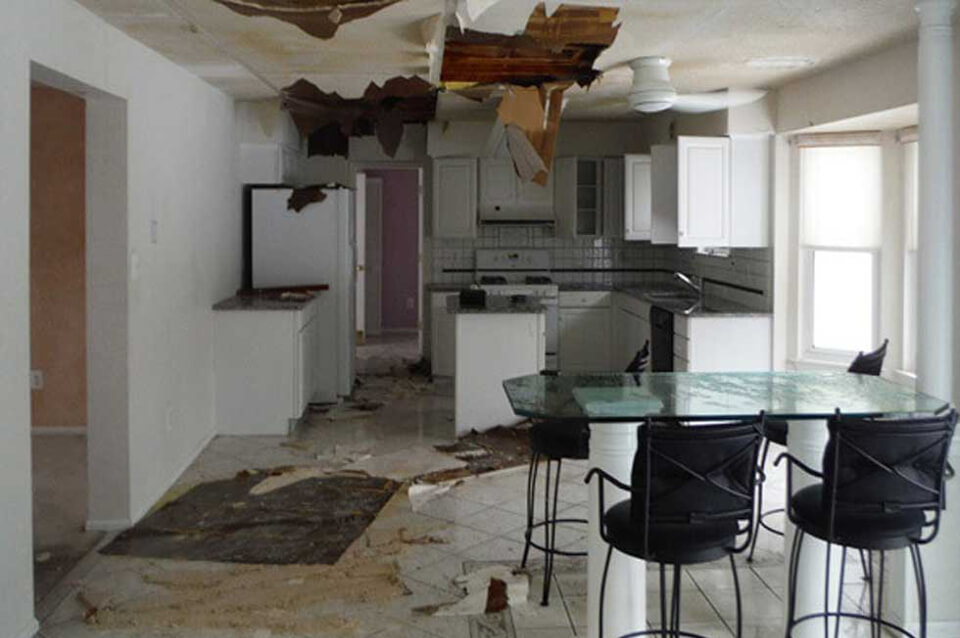
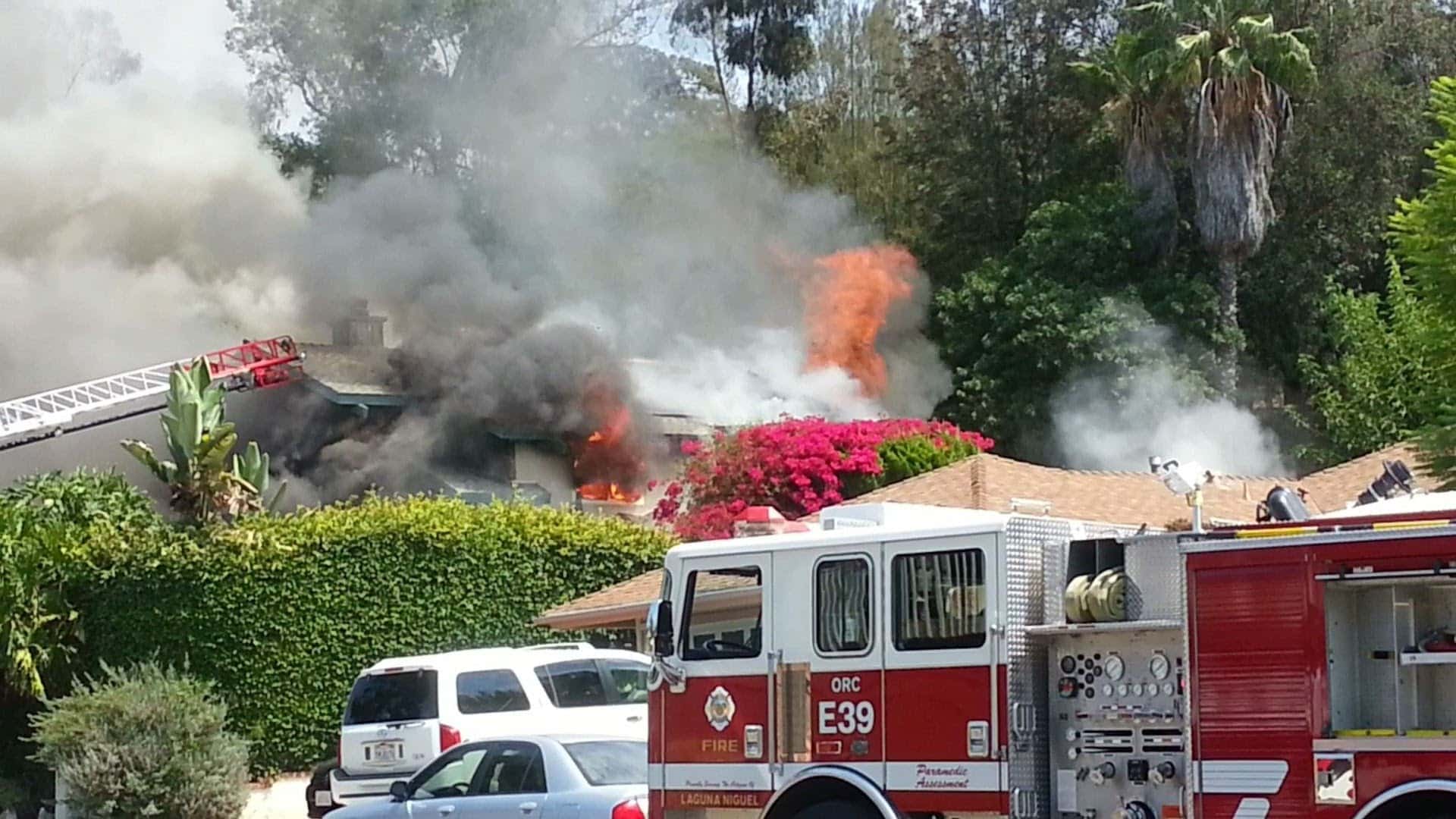
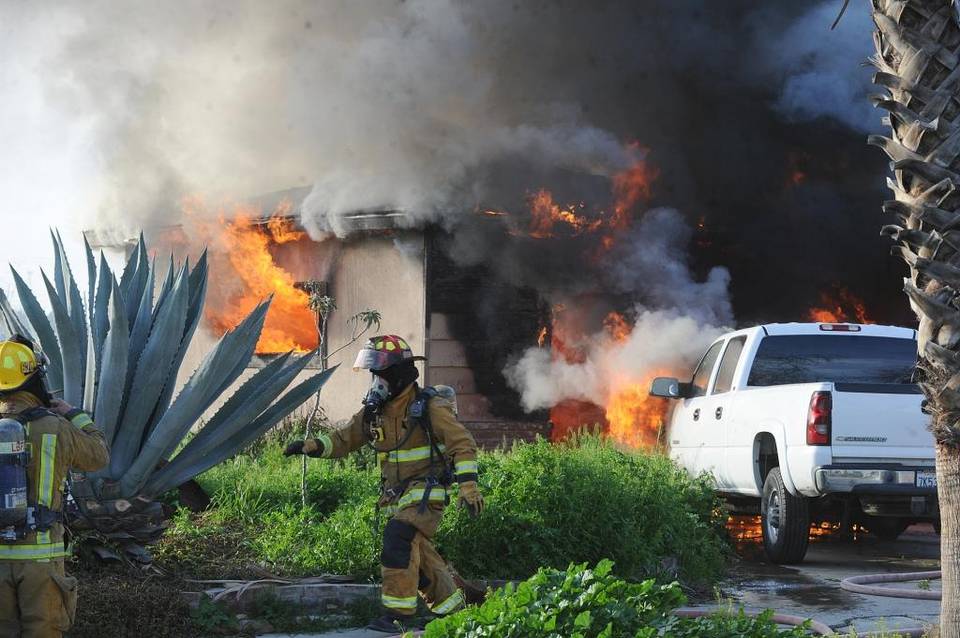
The second claim most homeowners miss is water. Putting out a structure fire takes an enormous volume of water, and crews also cut ventilation openings in the roof and walls to release heat and smoke. The result is water driven into wall cavities, ceiling assemblies, subfloor, and crawlspaces, very often in parts of the home the fire itself never reached.
This is not a flood claim. Water applied to extinguish a covered fire is generally treated as part of the fire loss rather than as a separate excluded peril, and that distinction matters because many homeowners assume they are not covered and never report it at all. Left in place, trapped moisture leads to swollen framing, delaminated subfloor, failed finishes, and secondary mold growth weeks later.
The Spokane cold season makes the timing worse. Moisture sealed inside a structure heading into winter has little chance to dry, and damage that was invisible during the first inspection surfaces as a supplemental claim months down the road. We take moisture readings and document affected assemblies early so the drying and rebuild scope reflects the entire loss.
WHAT A PUBLIC ADJUSTER DOES AFTER A WILDFIRE
A public adjuster represents the policyholder, not the insurance company. Our work starts by reading your policy in full, including limits, endorsements, exclusions, deductibles, and the coverages people forget they purchased, so you know what you actually bought before any number is discussed.
From there we inspect and document the loss, prepare a detailed line-item estimate of repair or replacement, build the contents inventory, track additional living expenses, and present the claim to the carrier. We manage the correspondence, the proof of loss, the reinspections, and the negotiation, and we pursue supplemental claims when hidden damage appears during repairs.
The practical benefit is time and clarity. After a fire, most families are juggling temporary housing, work, school, and replacing everything they own. Handing the claim file to someone who does this every day takes one full-time job off that list.
WHAT TO DO IN THE FIRST 48 HOURS
What happens in the first two days shapes the rest of the claim. This is the short list we give Spokane property owners who call us right after a fire.
- Make sure everyone is safe, and do not re-enter the property until fire officials have cleared it.
- Report the claim to your insurance company, and write down the claim number, the adjuster name and a direct phone number.
- Photograph and video everything before anything is moved, cleaned or thrown away.
- Ask your carrier in writing about additional living expenses, and keep every receipt starting on day one.
- Take reasonable steps to prevent further damage such as board-up, tarping or water extraction, and keep those invoices.
- Do not sign a final proof of loss, release or repair authorization until you understand exactly what it commits you to.
- Request a complete copy of your policy, including all endorsements and the declarations page.
- Start a simple log of every call, email and site visit, with dates and names.
DEALING WITH THE INSURANCE COMPANY ADJUSTER
The adjuster your carrier sends is a professional doing a job, and that job is to evaluate the claim on behalf of the insurance company. That does not make the relationship hostile, but it does mean nobody in the process is assigned to argue your side of it unless you appoint someone yourself.
After a widespread fire event, carriers often bring in catastrophe adjusters from outside the region who are carrying heavy caseloads and may not be familiar with local rebuild costs, labor availability, or construction practices. Scopes written quickly under those conditions tend to miss things, and what is missed early is difficult to add later.
A few practical points. You are entitled to your own representation. You do not have to accept the first estimate, and you should not sign a sworn proof of loss or a release you do not fully understand. Keep a written record of every conversation, and be careful about giving a recorded statement before the damage has actually been assessed.
DOCUMENTATION AND YOUR CONTENTS INVENTORY
Documentation decides claims. Photographs and video of every room and every elevation, moisture and soot readings, salvage decisions, and a clear record of what was in the home become the evidence behind the settlement. Any pre-loss photos you already have, including phone pictures, real estate listing photos, and prior inspection images, are extremely useful.
The contents inventory is the most tedious part of a fire claim and the part with the largest dollar swing. It means listing personal property room by room with descriptions, ages, and replacement values. Under a replacement cost policy the carrier typically pays actual cash value first and releases the withheld depreciation after items are actually replaced, so an incomplete inventory permanently reduces what you are paid.
Watch the special limits. Jewelry, firearms, furs, collectibles, business property, and cash are often capped well below their real value unless they were separately scheduled. We build the inventory alongside you and make sure scheduled items and sublimits are applied correctly.
THE CLAIM PROCESS: ON YOUR OWN VS WITH A PUBLIC ADJUSTER
You are allowed to handle your own claim, and some people do. The difference usually shows up in what gets documented, what gets challenged, and how much of the work lands on you while you are trying to put your life back together.
| Stage of the Claim | Handling It On Your Own | With Accurate Claims Consulting |
|---|---|---|
| Reading the policy | You interpret coverages, endorsements, exclusions and limits under pressure, often days after the loss | We read the full policy first and build the claim around the coverages you actually purchased |
| Scoping the damage | You rely on the carrier adjuster to find and record everything | We prepare an independent scope of loss and compare it line by line against the carrier version |
| Contents inventory | You rebuild a room-by-room list from memory and whatever photos survived | We supply inventory templates and help you value and substantiate each item |
| Estimating and pricing | You review an estimate written in software and pricing you have never seen before | We review the estimate line by line and challenge missing scope, quantities and unit pricing |
| Negotiation | You negotiate directly with a professional adjuster who does this every day | We handle the correspondence and negotiation and keep the file documented throughout |
| Time and effort | Calls, forms and follow-up all land on you while you are also rebuilding your life | We carry the administrative load so you can focus on your family and your property |
SPOKANE-AREA COMMUNITIES WE SERVE
Through our local agents and representatives, we support property owners across Spokane County and the communities north of the city. Every claim is different, but the property types in each area tend to raise the same recurring issues.
| Community | Typical Property Profile | How We Help |
|---|---|---|
| Mead | Established suburban subdivisions and larger residential lots north of Spokane | Fire, smoke and water claims on single-family homes, including detached garages and shops |
| Colbert | Semi-rural homes and acreage properties along the Little Spokane corridor | Documenting outbuildings, wells, fencing and landscape damage alongside the main dwelling |
| Nine Mile Falls | Homes near the river and the surrounding timbered terrain | Wildfire and smoke exposure claims where access and debris removal complicate the scope |
| Deer Park | A mix of in-town homes, rural parcels and small commercial property | Residential and small-business claims, including loss-of-use and business interruption questions |
| Chattaroy | Rural residential and agricultural properties north of Spokane | Claims involving barns, shops, stored equipment and contents spread across multiple structures |
| Green Bluff | Orchards, farms and rural homes on the bluff northeast of Spokane | Claims where agricultural buildings, produce operations and residences are all affected together |
Fire and Smoke Claim Help in Mead, WA
Mead sits just north of Spokane where subdivisions back directly onto open grass and timbered draws, so ember exposure is a genuine concern even for homes well away from an active fire front. Many Mead properties are newer construction with attached garages and complex rooflines, which makes attic, soffit, and vent inspection important after any nearby fire. We handle the dwelling, contents, and smoke scope for Mead homeowners from first notice through final payment.
Public Adjuster Services in Colbert, WA
Colbert is a rural-residential community along the US 395 corridor with heavily wooded lots and long private driveways. The same trees that make the area attractive also raise fire exposure and can slow access for suppression crews. Detached shops, barns, and outbuildings are common here and fall under other structures coverage, a limit we always review before the claim is presented.
Wildfire Claim Support in Nine Mile Falls, WA
Nine Mile Falls lies northwest of Spokane near the Spokane River and Lake Spokane, with homes tucked into steep, timbered terrain above the water. Slope and dense vegetation can drive fire behavior quickly here, which often leaves uneven damage patterns across a single property. We document the loss elevation by elevation so nothing on the less obvious side of the house gets written off.
Fire Insurance Claims in Deer Park, WA
Deer Park is a small city in northern Spokane County surrounded by farmland, pasture, and stands of pine. Grass and stubble fires move fast in open country, and outbuildings, equipment, and fencing are frequently damaged alongside the home itself. We make sure those structures and any stored personal property are included in the claim rather than treated as an afterthought.
Smoke and Fire Damage Claims in Chattaroy, WA
Chattaroy sits along the Little Spokane River north of the city, an area of acreage properties served by wells and septic systems rather than municipal utilities. Fire and smoke claims here often involve well houses, pump equipment, and detached structures that a fast scope can overlook. We inventory the entire property, not just the main residence.
Public Adjuster Help for Green Bluff, WA Property Owners
Green Bluff, northeast of Spokane, is orchard and farm country where a single parcel may include a residence, packing or storage buildings, and equipment. Losses in this area frequently straddle the line between homeowners and farm or commercial coverage, and the wrong classification can stall a claim for weeks. We review the policy structure first so the loss is presented under the right coverage from the start.
Why Choose Accurate Claims for Your Spokane Property?
We serve Washington homeowners through our local agents and representatives in the Spokane area, working exclusively on behalf of policyholders. Fire, smoke, water, storm, and contents claims are handled by our team from the first notice of loss through final payment.
We work only for policyholders. We do not represent insurance companies, we do not perform the repairs, and we have no interest in the outcome other than a complete and accurate settlement of your claim. If we review your policy and believe you are already being treated fairly, we will tell you exactly that.
Contact Us Today for a Free Consultation
Whether you are facing a total loss, heavy smoke through the whole house, or water left behind after crews put the fire out, Accurate Claims will review your policy and tell you honestly where you stand. Call (323) 509-4660 or fill out the form to schedule your free, no-obligation claim inspection in Spokane.
Frequently Asked Questions (FAQ) About Wildfire and Fire Claims in Spokane, WA
Does Accurate Claims handle fire and wildfire claims in Spokane?
Yes. We serve Washington homeowners through our local agents and representatives in the Spokane area, and fire, smoke, and water damage claims are a core part of what we do. Call us and we will review your policy and the damage before you commit to anything.
My home did not burn down. Is smoke damage still a claim?
Almost always, yes. Smoke and soot travel well beyond the burn area and settle into carpet padding, insulation, drywall, upholstery, and ductwork. Smoke is one of the most frequently underpaid parts of a fire claim precisely because it does not photograph the way charring does.
Is water damage from firefighting covered under my fire claim?
Water used to extinguish a covered fire is generally handled as part of the fire loss rather than as a separate excluded peril, and that includes water forced into walls, ceilings, and crawlspaces. Many homeowners never report it because they assume it is a flood issue. Coverage always depends on your specific policy, so we read the language before advising you.
The insurance company already sent an adjuster. Can I still hire you?
Yes. You can bring in a public adjuster at any point while the claim is open, including after an inspection has taken place or an estimate has already been issued. Earlier is easier, but a claim that was scoped too narrowly can still be corrected.
My fire claim was already paid or closed. Is it too late?
Not necessarily. Hidden damage from smoke and suppression water often surfaces weeks or months later, and claims can frequently be reopened as supplemental claims when new damage or missed scope is documented. Time limits in your policy do apply, so have it reviewed as soon as you suspect the settlement fell short.
TALK TO A PUBLIC ADJUSTER ABOUT YOUR SPOKANE CLAIM
If a fire, smoke or water loss has damaged your Spokane property, we can review your policy and your carrier estimate before you agree to anything. Through our local agents and representatives, we work with property owners across Spokane County. Call us, or use the request form at the top of this page and we will get back to you.